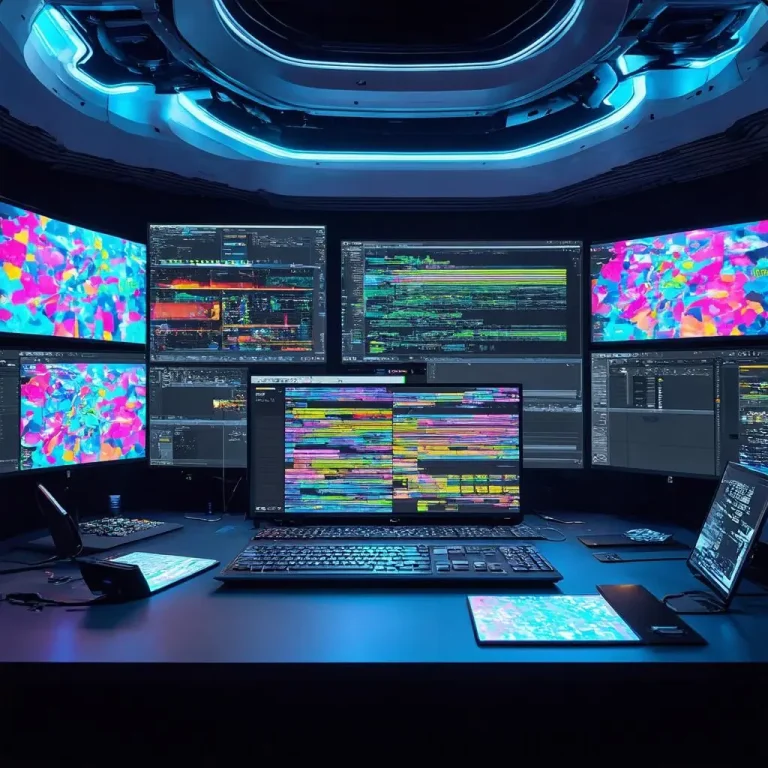
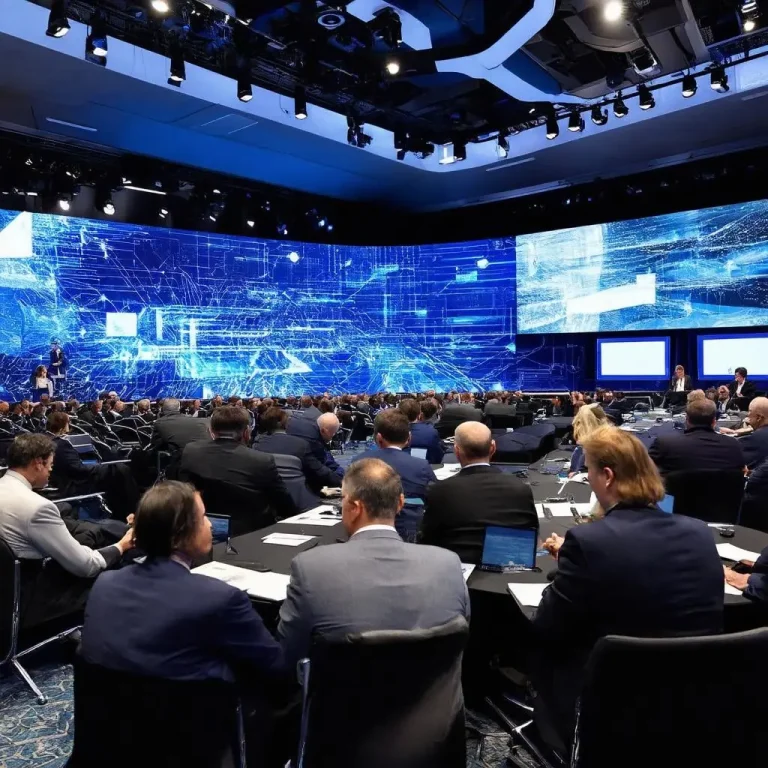
In today’s fast-paced broadcasting landscape, staying ahead of the curve is all about leveraging the latest creative production solutions. These innovations not only streamline workflows but also enhance content quality and viewer engagement. From virtual production environments to AI-driven editing tools, the broadcast industry is undergoing a fascinating transformation.
Virtual Production Environments
The rise of virtual production environments is revolutionizing how content is created. These environments blend digital and physical elements, allowing broadcasters to create dynamic scenes without the traditional constraints of physical sets. This technology enables unprecedented flexibility, facilitating imaginative storytelling and efficient production. Broadcasters can simulate complex scenes, experiment in real-time, and reduce the costs associated with traditional set construction.
Virtual production tools also enable remote collaboration, which has become more critical than ever in the post-pandemic world. Teams situated across various locations can work collaboratively, thanks to these advanced platforms, ensuring that creativity is never hampered by geographical barriers.
AI-Driven Editing Tools
Artificial intelligence is making waves in the broadcasting sector by automating repetitive tasks and enhancing creative decision-making. AI-driven editing tools are capable of analyzing massive amounts of footage quickly, identifying the best shots, and even suggesting edits based on previous preferences or patterns.
These advancements allow editors to focus more on the creative aspects of production rather than getting bogged down with tedious sorting and cutting tasks. Additionally, AI can assist in real-time editing during live broadcasts, offering invaluable support to content teams working under tight deadlines.
Cloud-Based Collaboration Platforms
Broadcast professionals are increasingly turning to cloud-based platforms to facilitate seamless collaboration. These platforms provide a centralized hub where all project members can access resources, share files, and communicate in real-time, regardless of their physical location.

Cloud technology optimizes media supply chains, enhancing efficiency and flexibility. It supports various media formats, ensuring compatibility and easy access. The move to the cloud also ensures data security and scalability at a much lower cost than traditional methods, a win-win for productions of any size.
Driving Viewer Engagement
At the heart of these technological advancements is the goal of driving viewer engagement. By embracing innovative solutions, broadcasters are able to deliver higher-quality, more immersive content that captivates audiences. Interactive elements, such as real-time graphics and augmented reality, make broadcasts more engaging and encourage viewers to participate actively rather than remain passive consumers.
Furthermore, data analytics tools available through these platforms provide insights into viewer preferences and behavior, allowing broadcasters to tailor content and marketing strategies more effectively to meet audience demands.
A New Era of Broadcasting
The incorporation of creative production solutions is ushering in a new era for broadcasting. As technology continues to evolve, broadcast professionals who adopt these advancements can achieve unprecedented levels of innovation and efficiency. By harnessing the power of these tools, the industry is not only optimizing production workflows but also significantly improving content quality and tapping into deeper viewer engagement.
The future of broadcasting is bright, fueled by creativity and driven by technology. Broadcasters who embrace these changes will find themselves at the forefront of an exciting, constantly evolving industry.

- Revolutionizing Post-Production: The Role of AI and Machine Learning - October 20, 2024
- From Concept to Screen: The Crucial Role of Industry Events in Shaping Broadcast Futures - October 19, 2024
- Embracing Innovation: The Future of Broadcasting - October 18, 2024